

Stay up to date with the latest boating tips, guides, and stories from BookMyBoat's waterways.
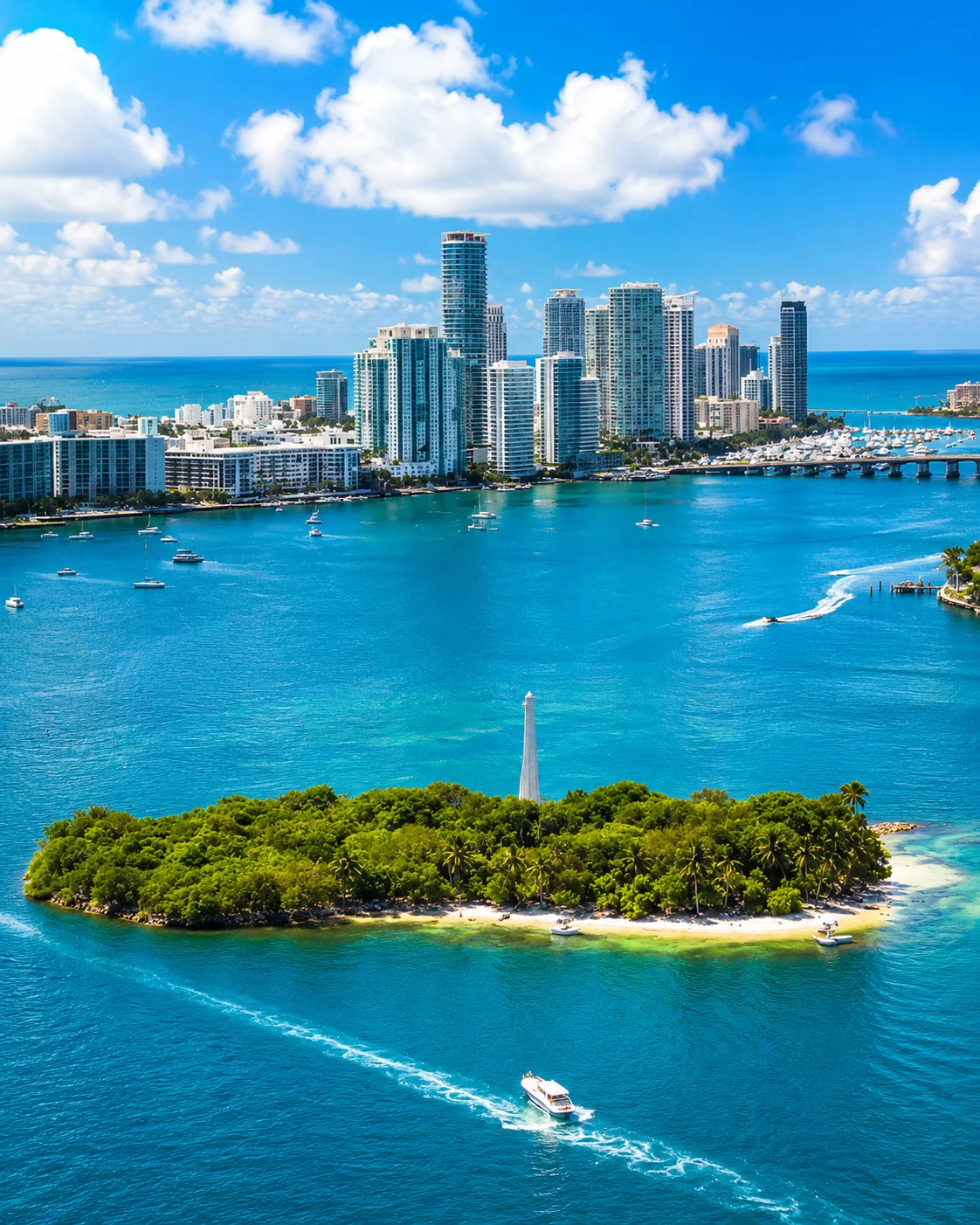
See the best sandbars to visit, from Haulover's lively scene to the peaceful escape of Boca Chita Key.
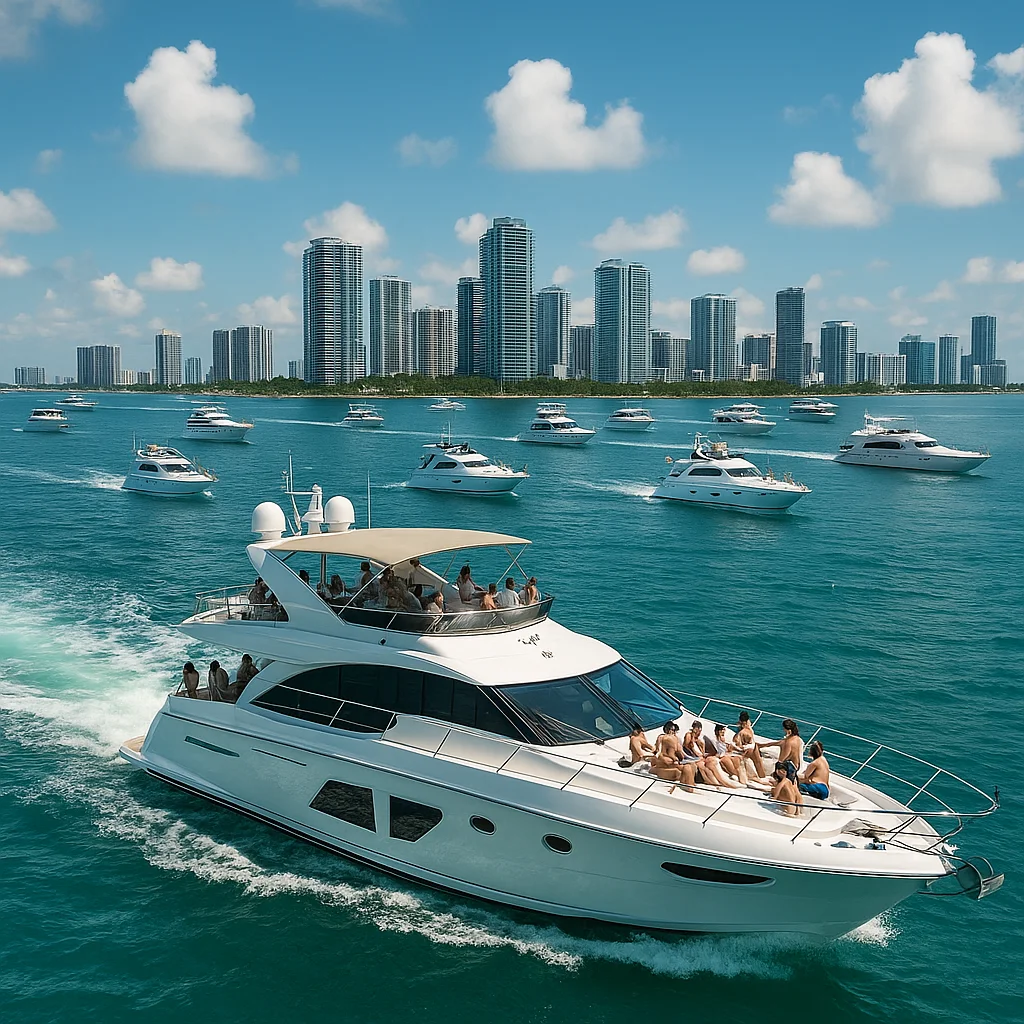
June brings Miami’s yacht rental boom, with about 12,000 charters and thousands of guests cruising daily.
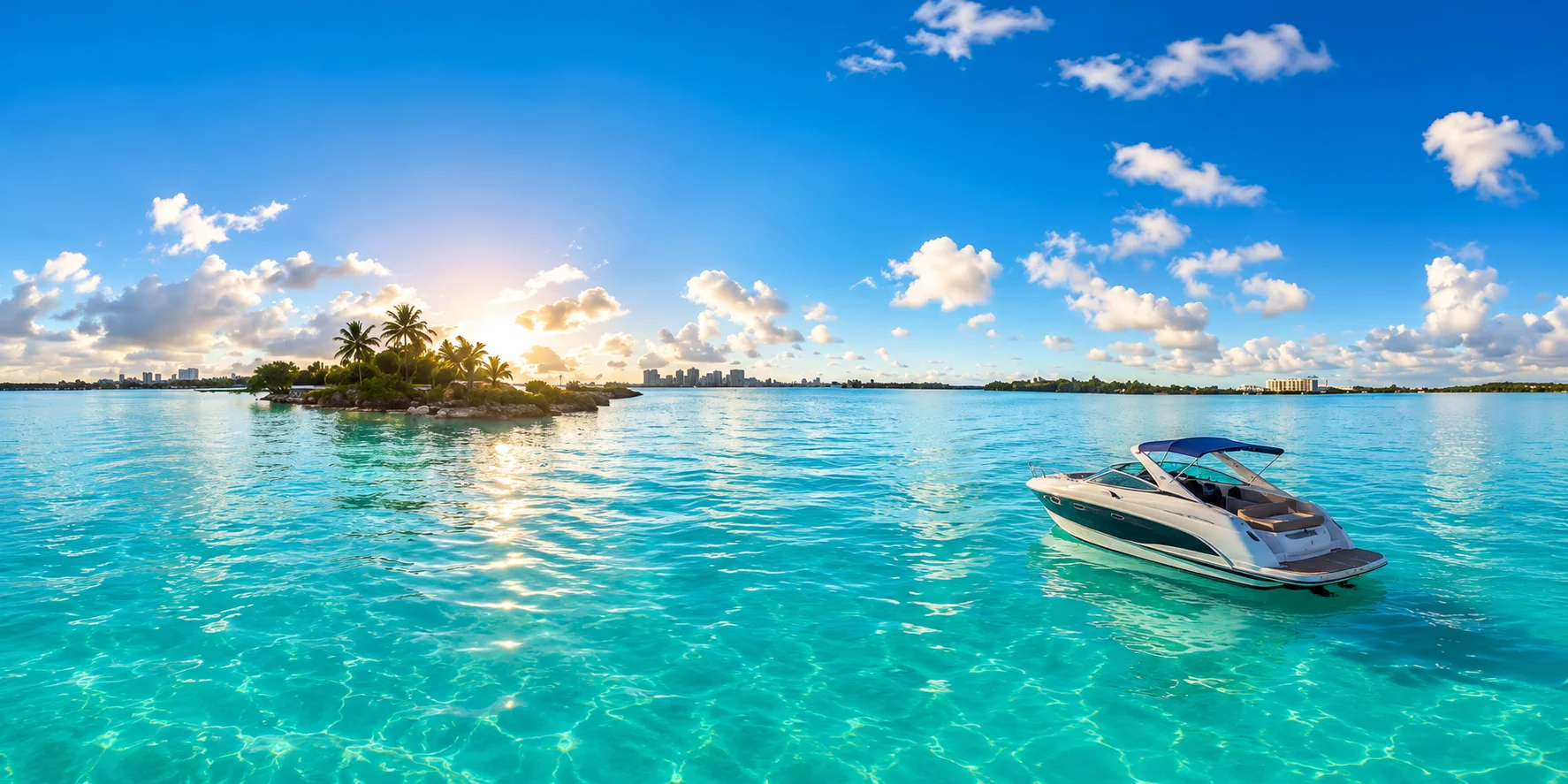
Haulover Sandbar Guide: What to Know Before You Go Haulover Sandbar is one of Miami's most visited boating destinations, and for all the right reasons. The water is crystal clear, waist-deep in most spots, and on weekends it fills up with boats rafted side by side, floating vendors, music, and groups of people making the most of Biscayne Bay.
Use this Haulover Sandbar guide to learn the best times to visit, what to bring, boating tips, and safety rules before you go.
Plan the perfect Miami to Bimini by yacht day trip with routes, timing, passport requirements, costs, and itinerary ideas.
Plan your Miami to Bahamas yacht charter with route ideas, island itineraries, travel times, and essential planning tips.
Plan your Miami to Key West by yacht with route ideas, stopovers, travel times, and itinerary inspiration for the Florida Keys.
Miami is a year-round boating city, but not every week on the water feels the same. That being said, the right event can turn a good charter into a genuinely memorable one, where the city's energy, the weather, and the occasion all line up at once.
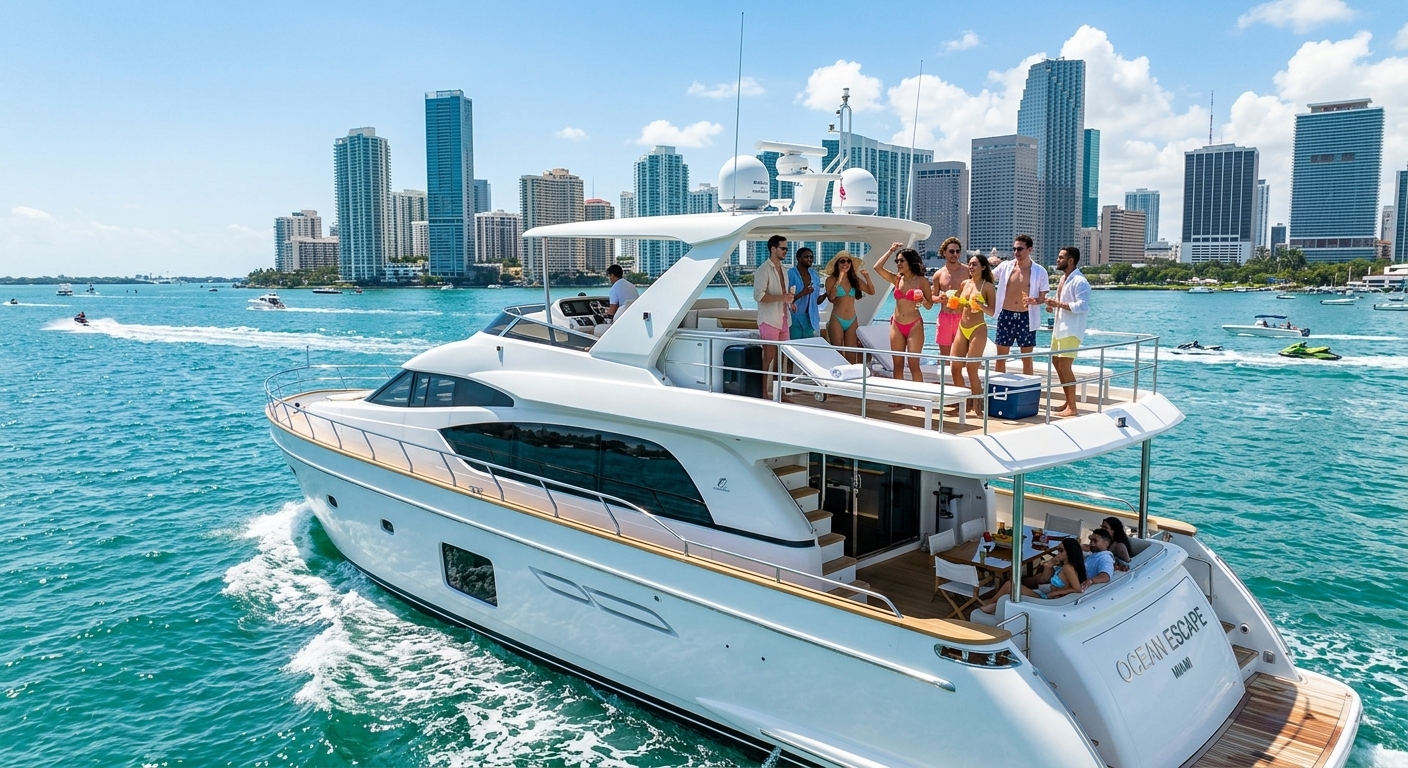
Spring Break is one of the busiest periods on Miami's charter calendar, and the gap between a great experience and a stressful one almost always comes down to how early you planned. Most Spring Break yacht rentals in Miami should be booked 4 to 8 weeks in advance, as popular vessels and prime weekend dates sell out well before that window closes.
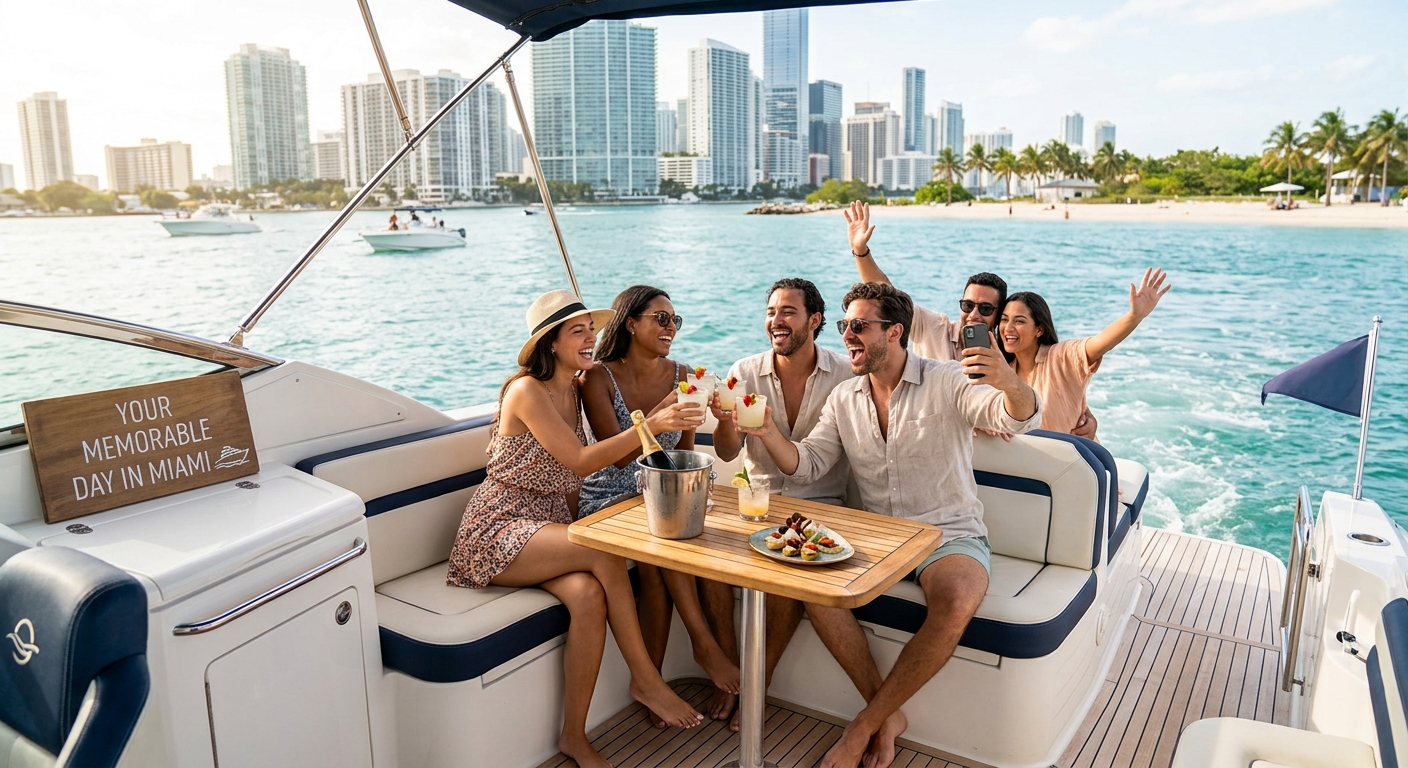
Memorial Day Weekend is the unofficial start of summer on Miami's water, marked as Biscayne Bay fills up, sandbars get busy, and the city's boating energy shifts into a gear it will hold until Labor Day. For anyone planning a private celebration, a sandbar day, or a long-weekend escape, it is one of the best times of year to be on the water.
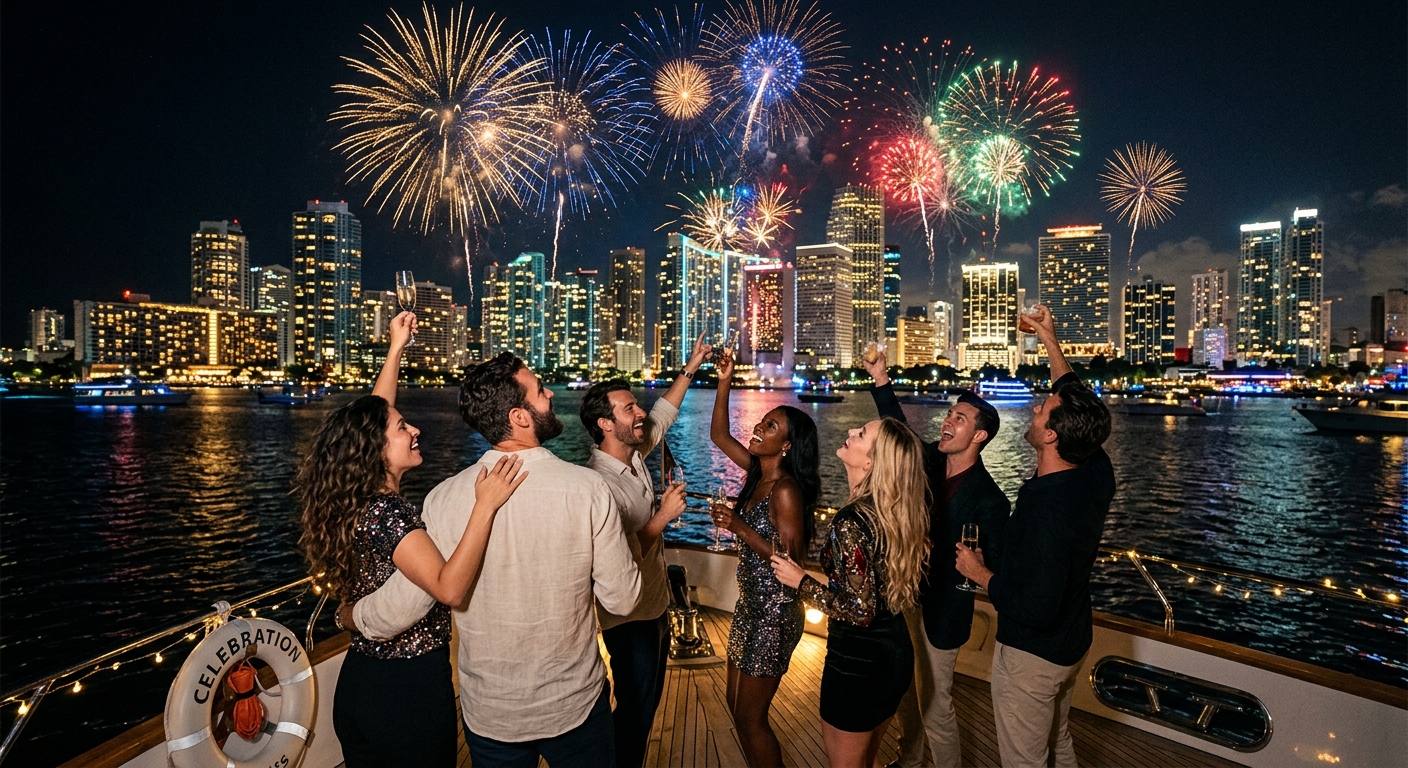
There is no better seat for midnight in Miami than the middle of Biscayne Bay. Fireworks launching over downtown, the skyline lit up behind them, and your group on open water with room to breathe and a view that no rooftop or public park can replicate.
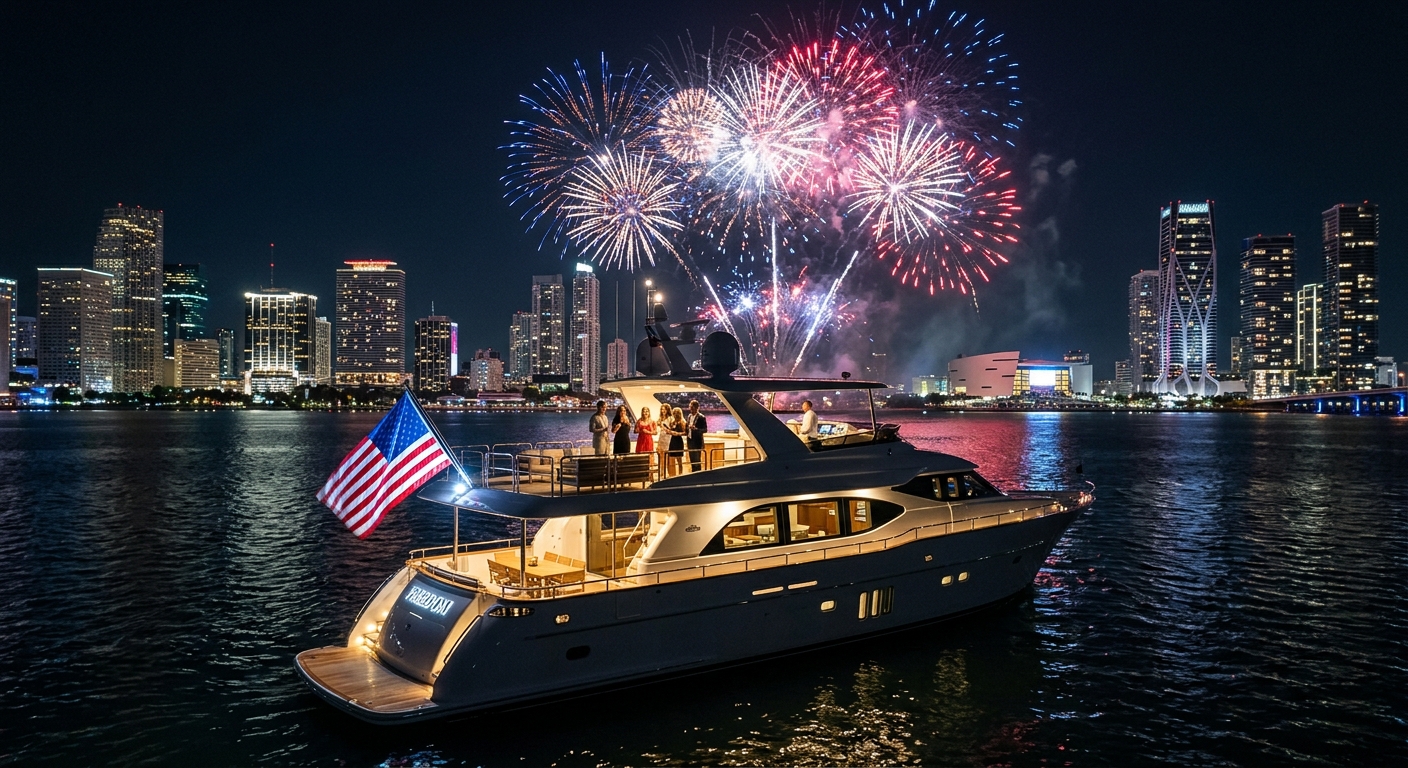
There is something about the way a body of water elevates any kind of experience, may it be a wedding, a birthday, or simply a day out with friends and family. On Independence Day, that feeling gets amplified even further.
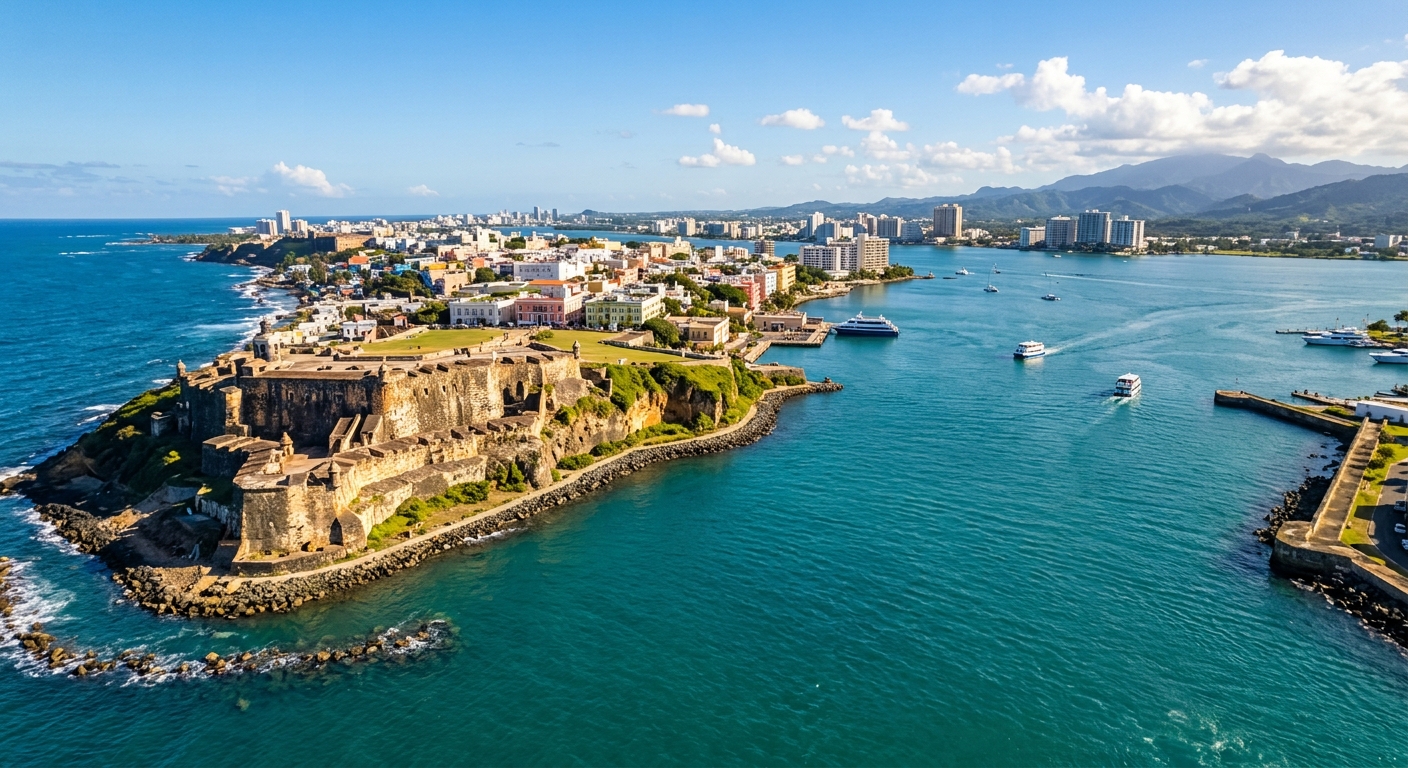
Puerto Rico's beaches draw travelers from around the world, but some of the island's most beautiful spots sit offshore, reachable only by boat. Spending a day hopping between shallow sandbars and small cays gives you a completely different view of the island, built around calm water and scenery you simply can't reach from the shore.
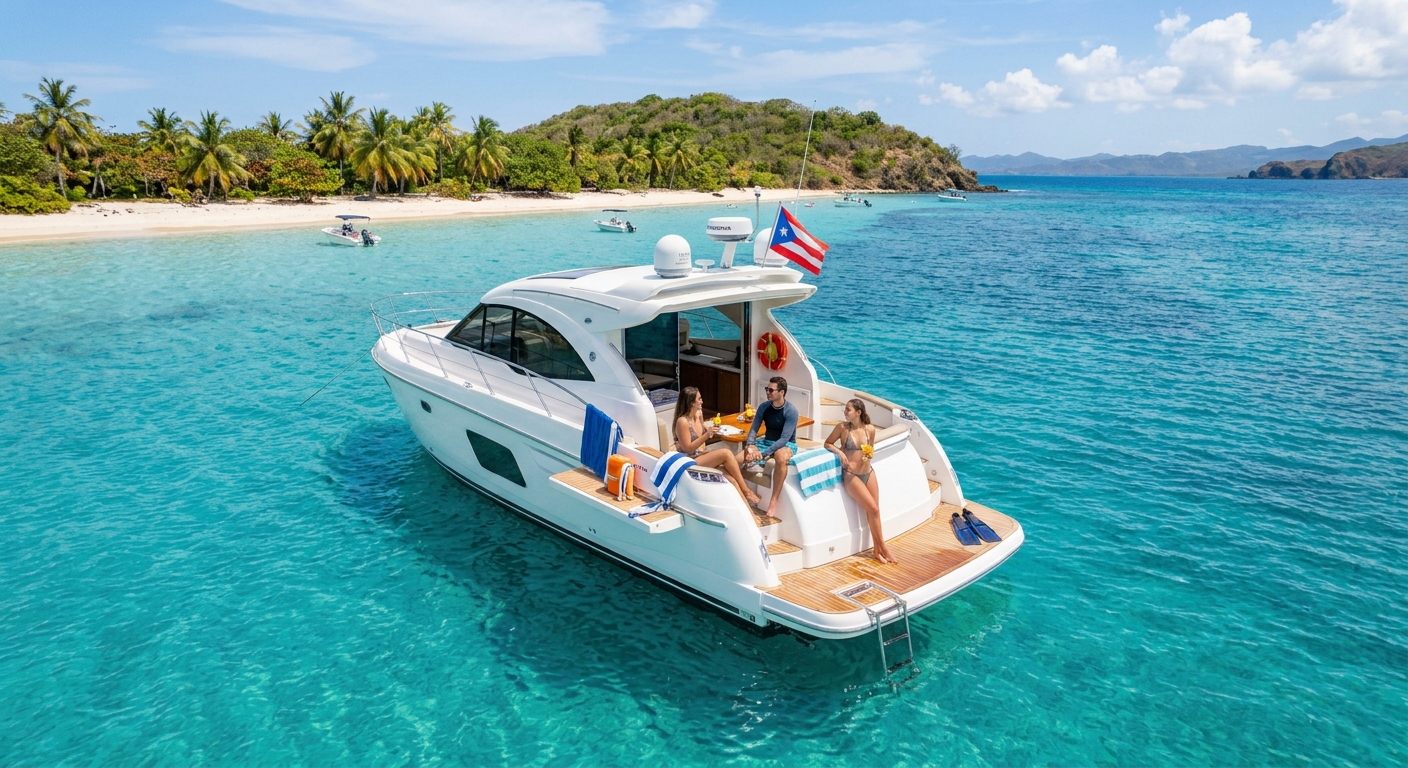
Cayo Icacos is known for its white sand beaches and shallow turquoise water, along with some of the best snorkeling near Fajardo. The small, uninhabited cay sits within a protected natural setting, which keeps its coral reefs and marine life in good condition.
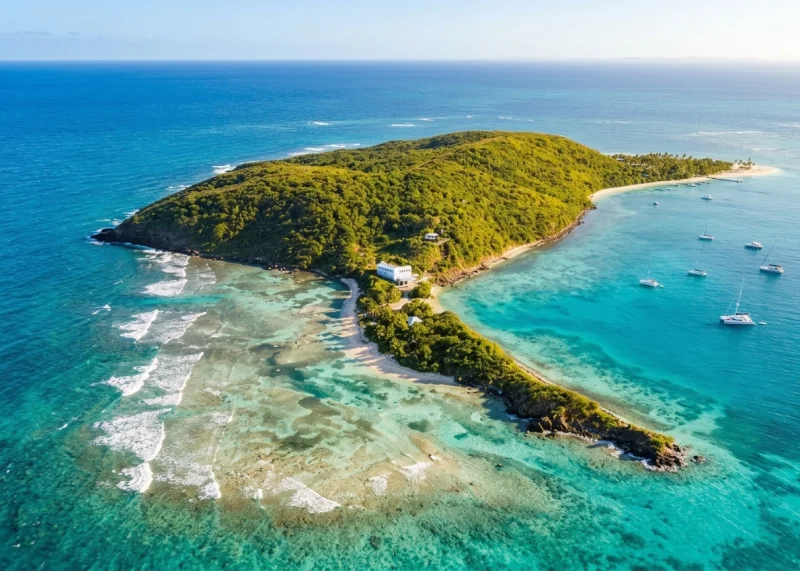
You may have thought a secluded Caribbean island was something reserved for guests of an exclusive resort, out of reach if you're booking on your own. Palomino Island offers that postcard-perfect setting while remaining accessible through a few different boat options.
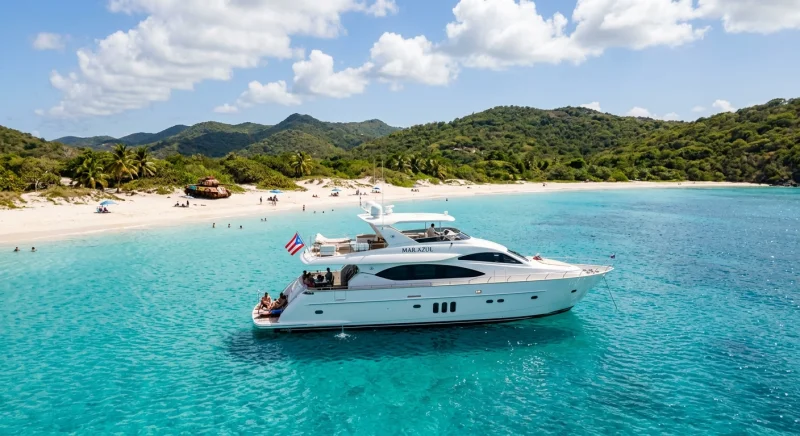
Can you visit Culebra from mainland Puerto Rico and get back the same day? Definitely! Getting from Puerto Rico to Culebra by boat takes as little as 45 minutes or up to about an hour and a half, depending on which crossing you choose, which leaves plenty of daylight for beaches and clear water on the other side.
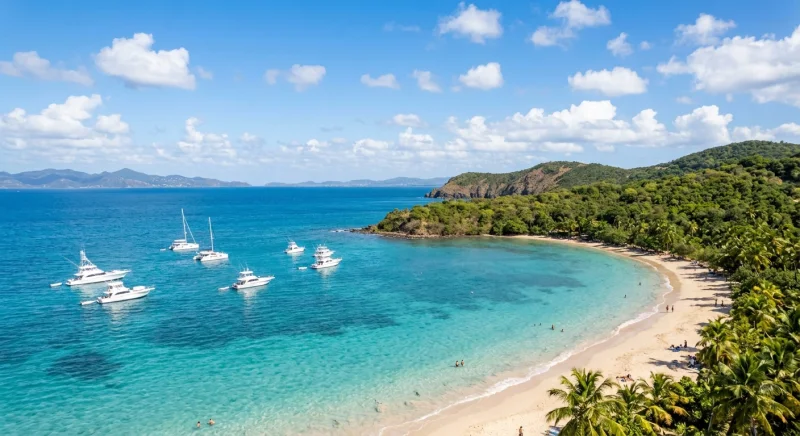
Puerto Rico is ringed by small cays, offshore islands, coral reefs, and protected waters, so picking a charter often comes down to choosing the right route more than picking a boat. Fajardo is one of the strongest starting points for island hopping, and Marina Puerto del Rey puts you within easy reach of La Cordillera Nature Reserve, Culebra, Vieques, and longer trips through the Spanish Virgin Islands.
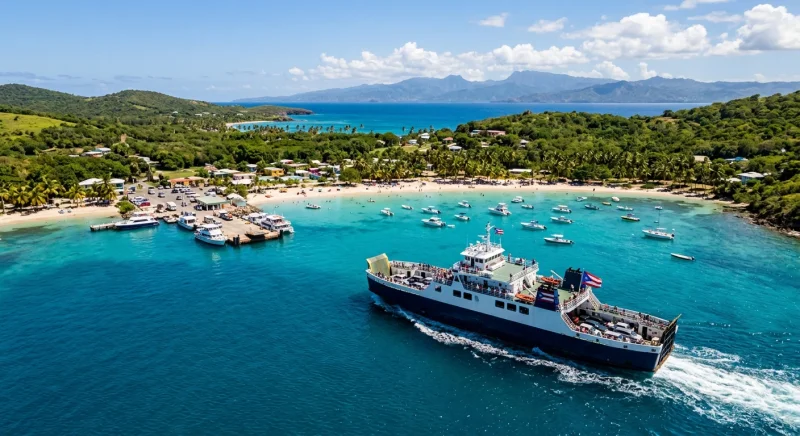
Getting to Vieques looks simple on a map, but the trip involves a few moving parts: getting from San Juan or elsewhere on the main island to Ceiba, arriving early enough for the ferry, and figuring out transportation once you land. Most travel problems on this route come from underestimating the time needed before and after the ferry, not the crossing itself.
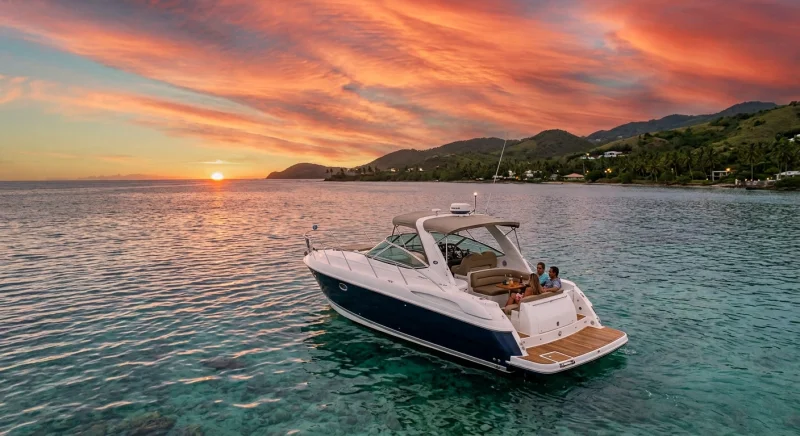
Puerto Rico doesn't really have a single "boating season." You can get on the water year-round, but the experience shifts a lot depending on when you go. So the right time to charter depends on what you want to do: visit Icacos, look for whales, fish offshore, catch a waterfront event, or just enjoy a quiet sunset cruise. In this article, we'll break the year into a boat charter calendar so you can match your trip to the right season.
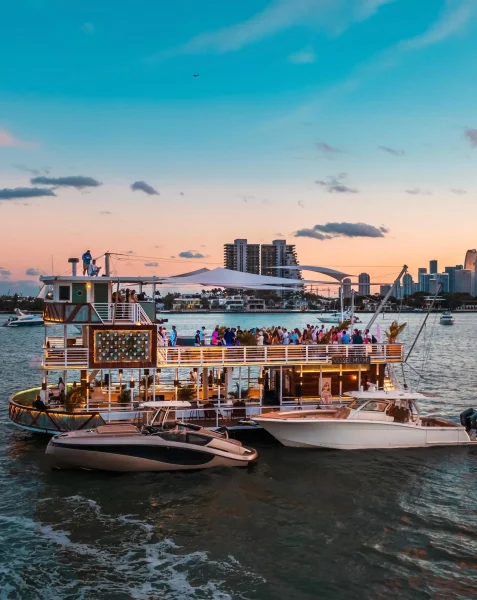
Here's the thing nobody tells you until you start calling around. Most crewed charters cap at 12 or 13 guests no matter how big the boat is. Getting 30 to 50 people on the water needs a specific class of vessel, and once you know which one, the whole job gets easy. This guide covers the boats, the rules, and what it costs per head.
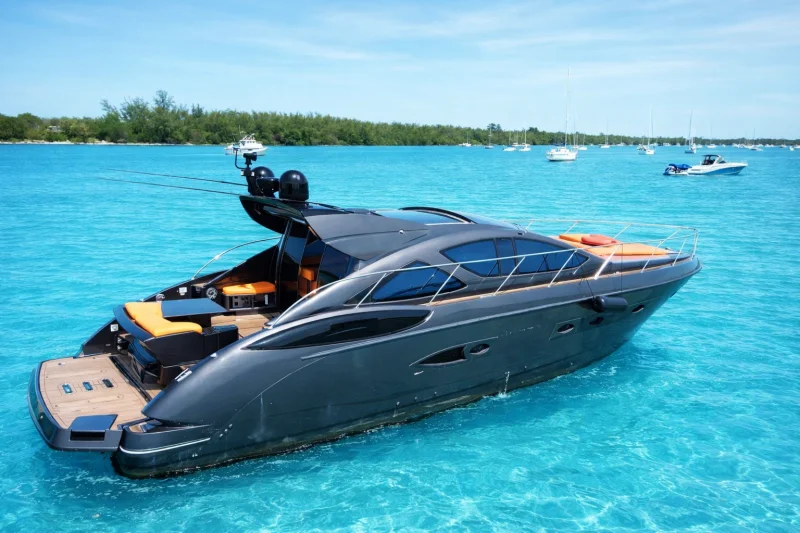
A rental hands you a boat. A charter hands you a boat and the people who run it. That one difference changes the license you need, the price you pay, and how much of the day you spend relaxing. Here's the cost and comfort math, so you can pick the right one before you start browsing.
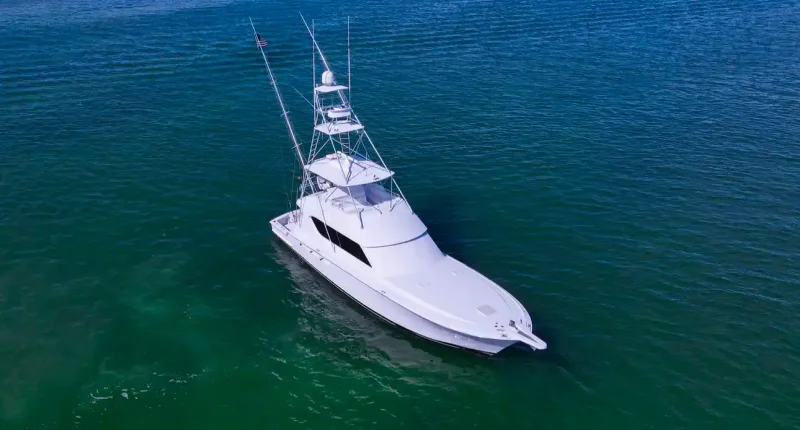
Your hourly rate covers the boat, the captain, the crew, and standard-route fuel. Four things typically sit outside it: catering, water toys, crew gratuity, and tax. That's the whole answer, and the rest of this guide puts a real number against each line so nothing surprises you at checkout.
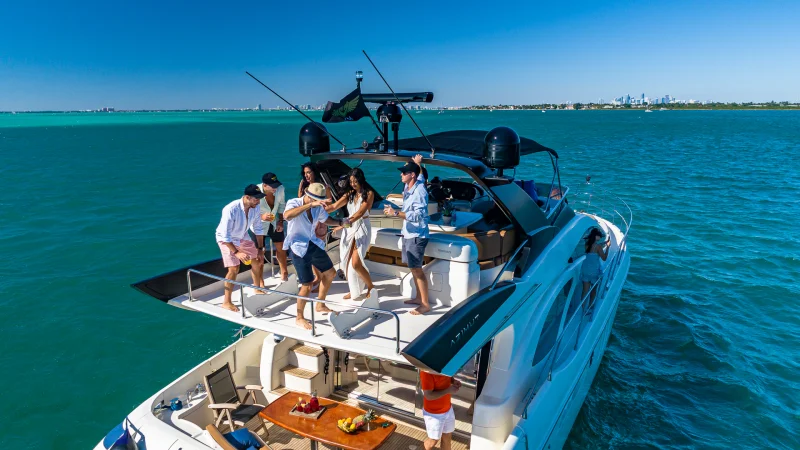
Thirteen people on a $250 an hour boat for four hours works out at $77 each. That's a good afternoon for the price of dinner, and it's the number that gets your group to say yes. Here's how to work out the real figure, pick a fair way to divide it, and collect the money before the deposit falls due.
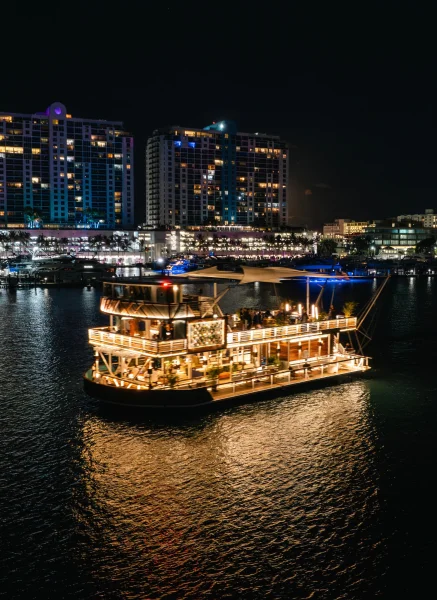
The event is approved and everyone's looking forward to it. Then procurement asks for a certificate of insurance, a W-9, and Net 30 terms, and the whole thing stalls. Good news: all three are standard here and none of them need to slow you down. Here's what to send, when to send it, and how long each step really takes.
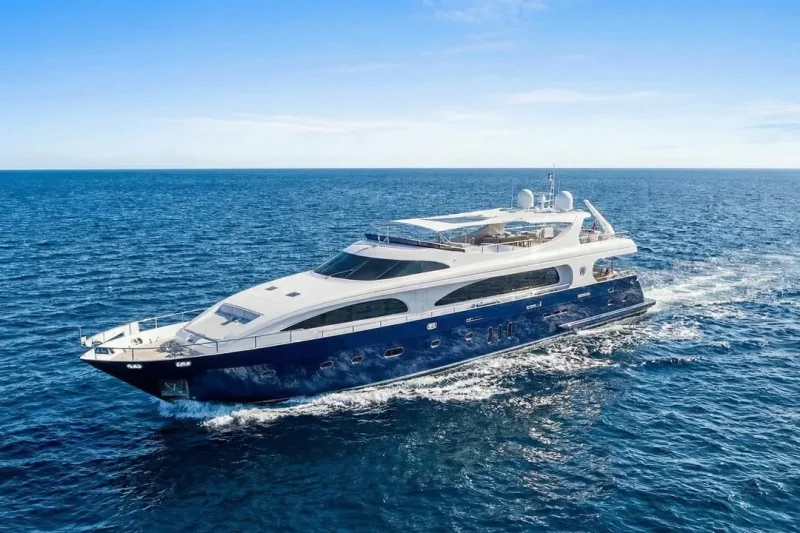
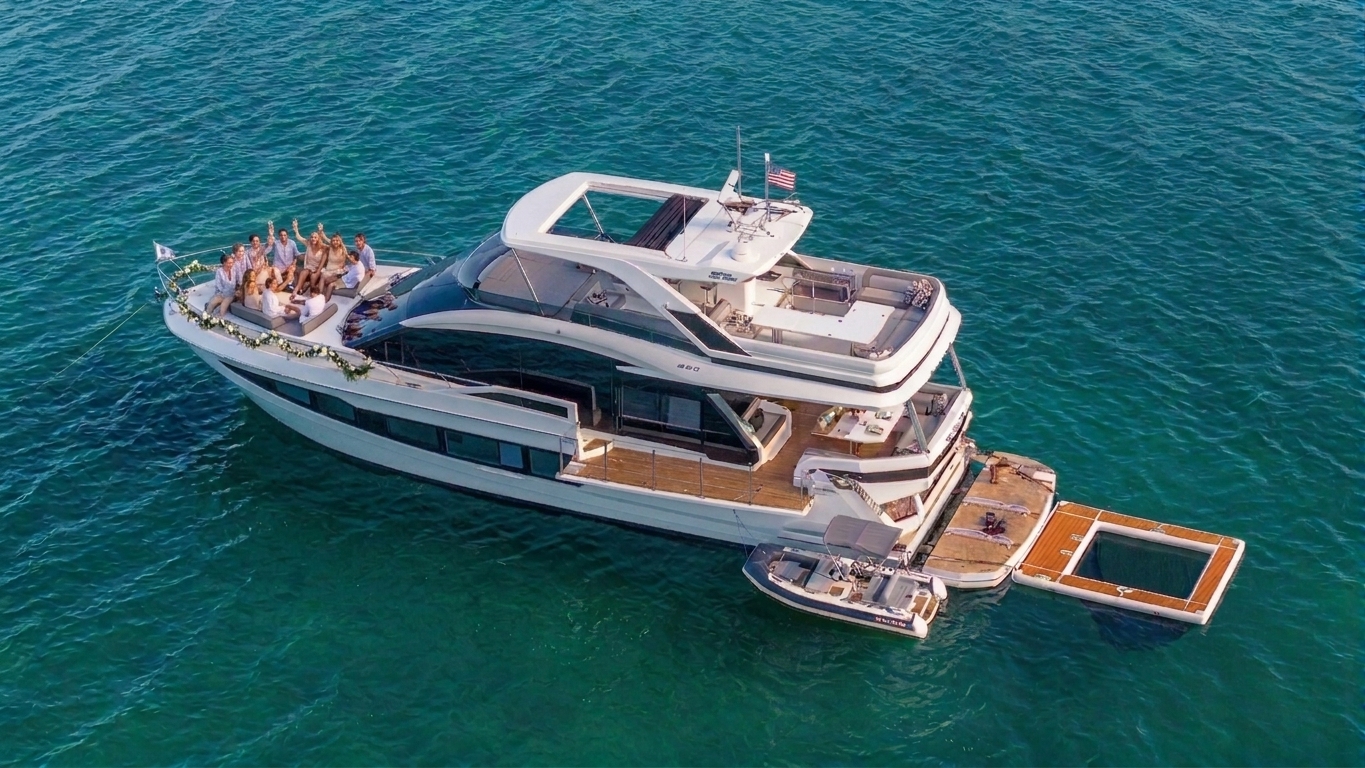
Once you cross 80 feet, everything changes. Full crew, real staterooms, a chef in the galley, and a swim platform the size of a small patio. Rates start around $2,700 an hour and climb to $8,000 on the biggest event vessels. Here's what each tier gives you, how many guests it can legally carry, and where the money actually goes.

A party boat for thirteen people runs about $1,000 for four hours, which is roughly $77 a head. Skyline, sandbar, sunset, and a sound system the whole way. It's one of the best days out you can buy here. This guide covers the prices, the boats that handle a crowd, the three routes worth doing, and the rules that catch groups out.
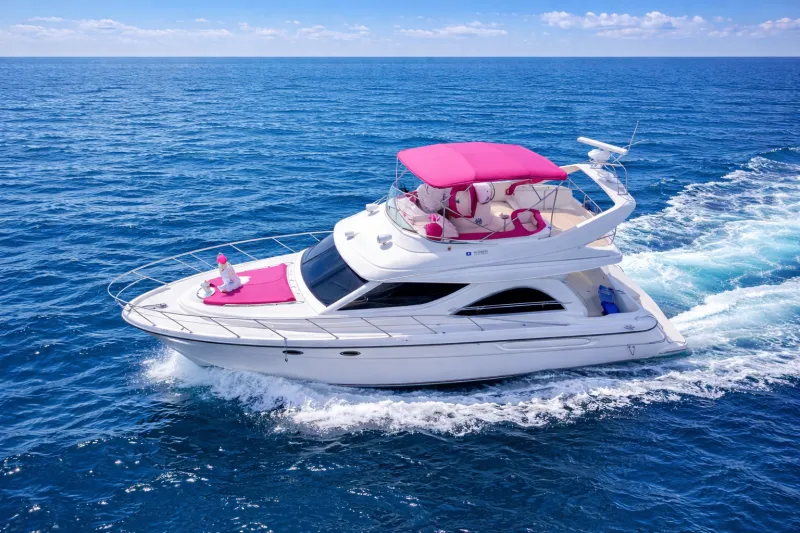
Planning a bachelorette party on the water comes down to three things: guest count, hours, and how much shade everyone gets. Boats start at $199 an hour for a group of 12, and six hours is the sweet spot: enough time for a sandbar swim, champagne on the bow, and sunset photos on the way back. Here's what it actually costs, which boats suit a bridal party, and how to run the day so nobody's checking their phone.
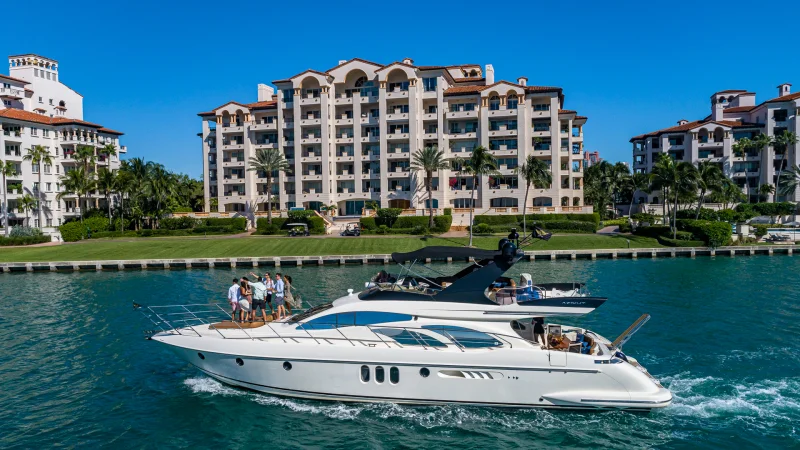
Every operator calls its boats luxury, so the word on its own tells you nothing. What does tell you something is crew ratio, build quality, galley capability, and what the boat carries in its toy locker. Those you can check before booking. Here's what actually separates the tiers, and when the premium earns its keep.
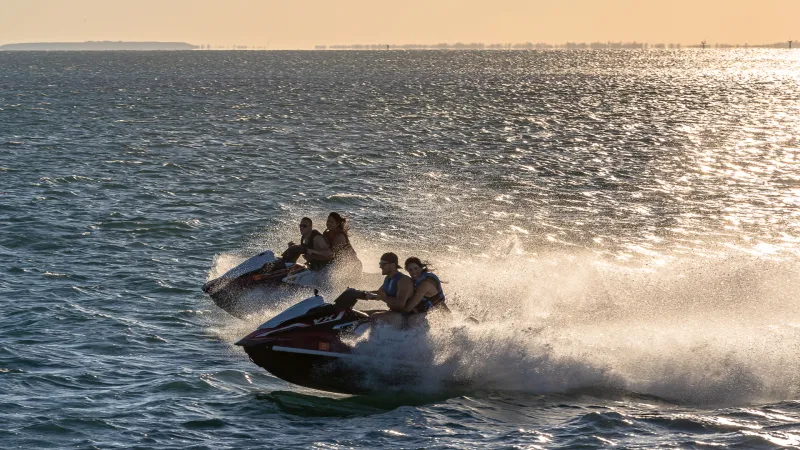
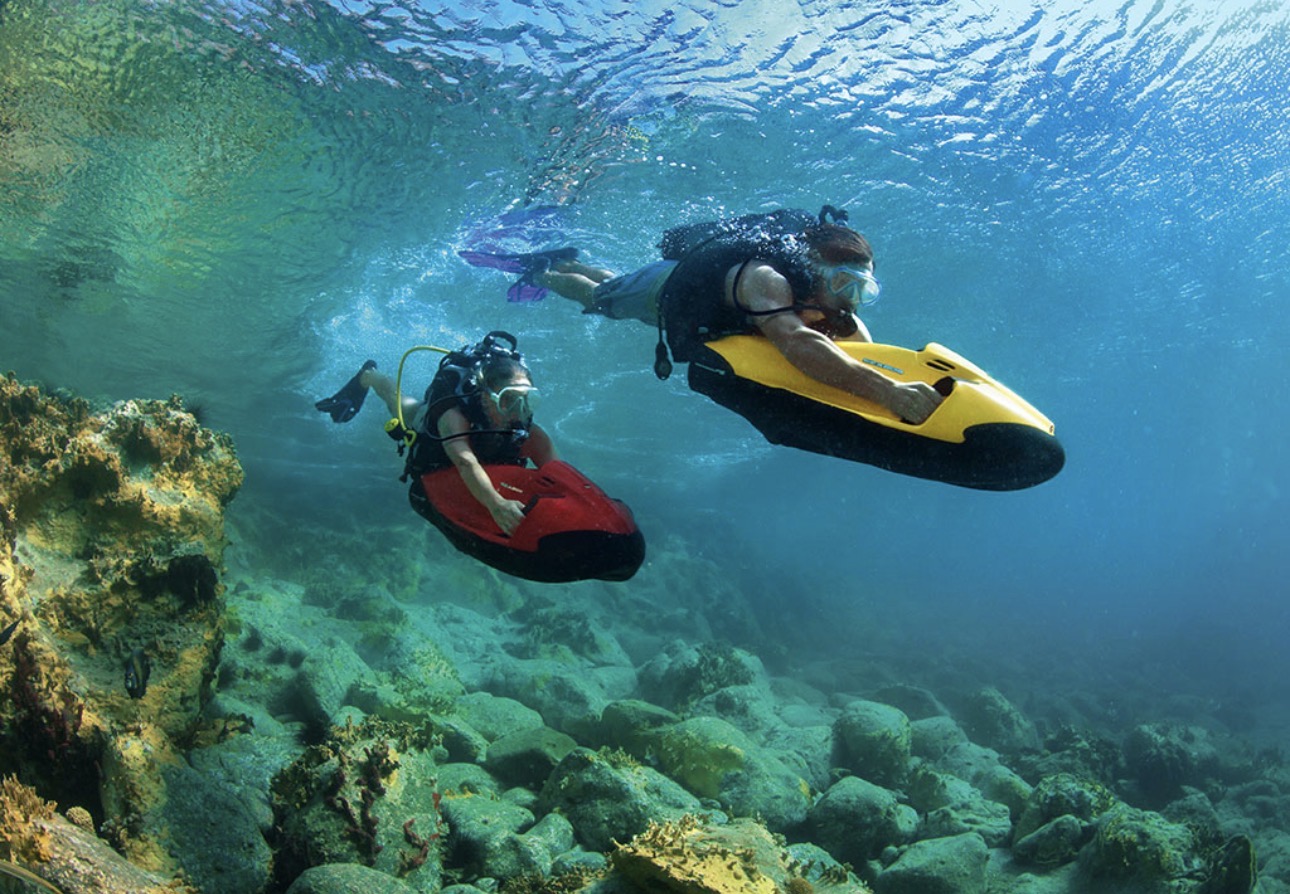
Water toys are what turn a nice cruise into a day people talk about afterward. Seabobs, jet skis, flyboards, inflatables, and floating mats all add roughly $50 to $200 an hour each. Some come free with the boat. Here's what every toy actually does, who can use it, and which ones need a crew member watching.
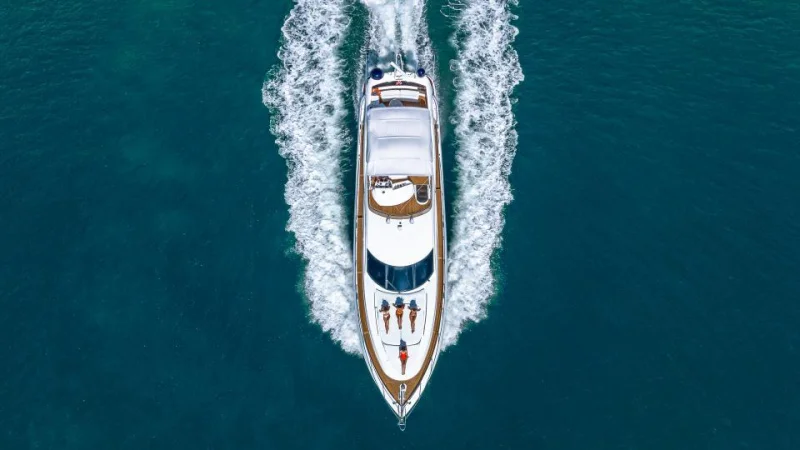
May and October are the two best months to be on the water here. Warm, quieter, and priced below the December-to-April peak. That said, every month works with the right plan. Here's the year broken down by weather, crowds and price, plus the weeks that sell out first.